Digital Panopticon and Social Media Intelligence – "Online Identity" Analysis in 2026 Visa Decisions
As of 2026, "digital footprint" has become one of the most critical parameters measuring the applicant's intent and reliability. Visa officers now also look at the applicant's reflection in the digital world.
While passports, bank accounts, and employment documents were determinative in traditional visa application processes, as of 2026, "digital footprint" has become one of the most critical parameters measuring the applicant's intent and reliability. Visa officers now look not only at declarations on paper but also at the applicant's reflection in the digital world. This situation marks a new era where the balance between "privacy" and "national security" has shifted in favor of security.
2.1. "Extreme Vetting" in US Visas and the DS-160 Revolution
The United States has further tightened its social media screening practice, which it started in 2019, making it a standard procedure in 2025 and 2026. The US State Department, with updates to the visa application form DS-160, has made it mandatory for applicants to declare all social media platforms, usernames, and other digital identity information they have used in the last 5 years.
2.1.1. Mandatory Declaration and the "Public" Account Rule
Particularly for visa types that grant long-term stay rights such as F (Student), J (Exchange Program), and H (Work) visas, the depth of scrutiny has been increased. With guidelines published in June 2025, applicants in these categories may be requested to set their social media accounts to "Public" during the "review period" (from the application stage until visa approval).
This request is for the consulate officer to fully view the profile content, shared photos, comments made, and pages followed. US authorities, operating on the doctrine of "A visa is a privilege, not a right," present the applicant's waiver of digital privacy as a prerequisite for obtaining a visa.
2.1.2. Review Criteria: What Are the Algorithms Looking For?
Social media review is conducted both manually by consulate officers and through advanced algorithms. There are three main risk factors focused on in 2026 reviews:
1. Security Threat and Radicalism: Sympathy for terrorist organizations, violent imagery, anti-US hate speech, or interaction with radical ideological groups. Such content leads to direct and permanent visa rejection (Immigrant and Nationality Act - INA 212(a)(3)(B)).
2. Immigrant Intent: According to US visa laws, every tourist visa applicant is considered a "potential immigrant" and is expected to prove otherwise. Being a member of groups like "How to stay illegally in America," "US asylum routes," "Going with Work and Travel and not returning," or making posts like "I'm tired of this country, I won't come back" is considered the strongest evidence that the applicant has no intention of returning and becomes grounds for rejection.
3. Inconsistency Analysis: Someone who says "I am married and have a happy family" on the application form having "Single" status on social media, or someone who says "I am a high-paid executive" having posts complaining about unemployment on their profile, undermines the reliability of declared information.
2.2. "Digital Consistency" and Verification in the Schengen Area
Although European Union countries do not provide a central and mandatory social media declaration form like the US, in 2026, social media is effectively used as a "verification tool" in Schengen visa assessments.
2.2.1. Travel History and Lifestyle Check
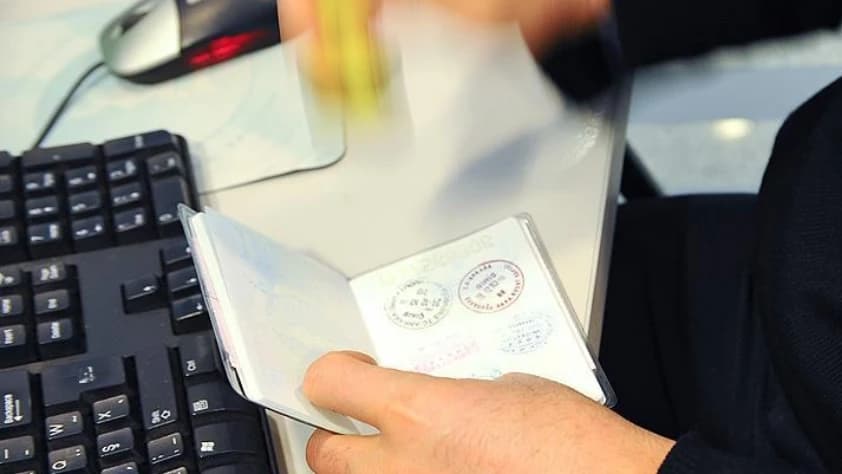
When making rejection or approval decisions for Schengen visas, the applicant's "travel history" declarations can be cross-checked with social media. For example, if the applicant says "I have previously visited Italy and France" and references the stamps in their passport, the visa officer may check in suspicious cases whether photos from these trips exist on social media.
More critical is "Income-Lifestyle Compatibility." A person who declares minimum wage or low income in their bank account but constantly stays at luxury hotels on social media, poses with expensive cars, or displays wealth of unclear origin may raise suspicion of "money laundering" or "informal economy."
2.2.2. Professional Verification: The LinkedIn Factor
Especially in business visa applications, LinkedIn profile almost has the status of an "official document." Consulate officers may review LinkedIn profiles to verify the relationship between the inviting company and the applicant.
Does the person actually work at the company?
Is their title the same as on the application form?
Are the company's other employees and industry presence realistic?
For this reason, LinkedIn profile being up-to-date, professional, and 100% consistent with the application file is vitally important.
2.3. Pre-Application "Digital Cleanup and Organization" Guide
Everyone applying for a visa in 2026 must go through a "Digital Detox" and "Profile Management" process before starting to collect documents.
Create an Account Inventory: Find and close old accounts you no longer use or have forgotten the password for (MySpace, old Twitter, etc.). Opening a clean slate is safer than saying "I don't remember" on the DS-160 form.
Content Scan: Scan your past posts. Political discussions, violent jokes, images related to drugs or illegal substances should be deleted. Everything that is a crime under US federal law is grounds for visa rejection, even if it is legal at the state level.
Privacy Settings Strategy:
For Tourist Applications: Setting platforms like Instagram and Facebook where personal life is displayed to "Private" mode is the safest way to prevent misunderstandings.
For Business/Academic Applications: LinkedIn, ResearchGate, or professional portfolio sites being "Public" and up-to-date strengthens the applicant's reputation.
Tag Control: Photos that you didn't share but your friends tagged you in can also appear on your profile. Activate the "Add tags to my timeline with my approval" setting to prevent uncontrolled content from appearing on your profile.