Psychological Warfare in the Interview Room – Non-Verbal Communication and Stress Management
Face-to-face interviews conducted for US and UK visas and in some special Schengen situations are the "final scene" of the application process. In 2026, interviews are designed around behavioral analysis.
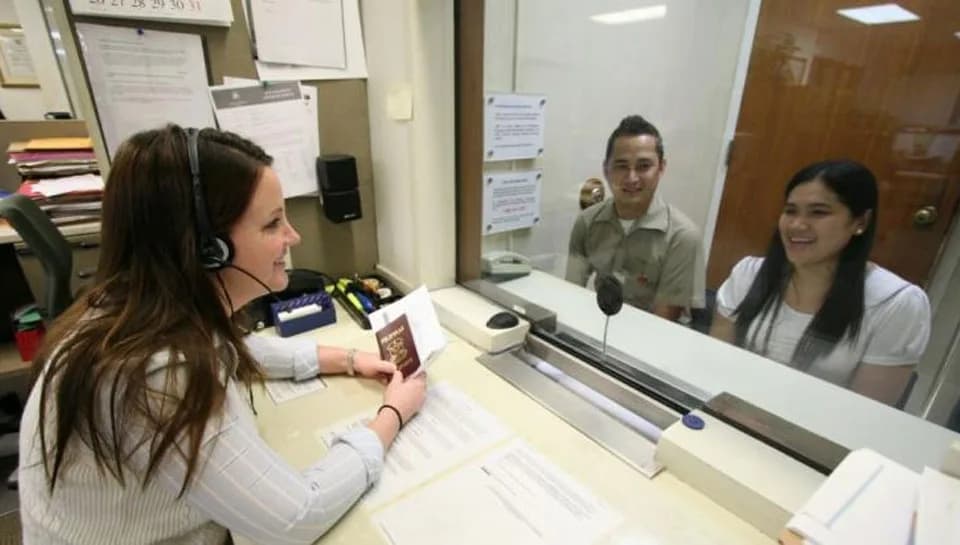
Face-to-face interviews conducted for US and UK visas and in some special Schengen situations (being called for suspicious files) are the "final scene" of the application process. In 2026, interviews are designed around "behavioral analysis" rather than information verification. Your life story is already written on the screen in front of the visa officer; what they are curious about is whether the person in front of them is consistent with the person on that paper.
4.1. Anatomy of the Interview and the "Turbulence" Technique
A visa interview is not an interrogation, but a formal conversation. However, the intense stress experienced by candidates can turn this conversation into a disaster. Physiological reactions (voice trembling, sweating, avoiding eye contact) can be misinterpreted by the officer as "signs of lying."
4.1.1. "Turbulence" and Oxygen Loading
An effective method recommended by experts to manage pre-interview stress is the "Turbulence Technique." It is based on the principle of calming passengers by dropping masks and giving them oxygen during turbulence on airplanes. Increasing the oxygen level in the body by taking deep and rhythmic breaths just before entering the interview (in the waiting room) activates the parasympathetic nervous system and calms the "fight or flight" response.
This puts the brain in a state of mild relaxation (natural intoxication), breaking the perception that the interview is a "matter of life and death."
Mental Reframing: Remind yourself: "My life doesn't end if I don't get this visa. I have a life, a job, and a family in Turkey. This is just a vacation plan." This mindset allows you to enter the interview with a "confident" profile, not a "needy" one.
4.2. Body Language and Communication Tactics
In 2026, visa officers are trained in reading micro-expressions and body language.
Eye Contact: Avoiding eyes is a sign that something is being hidden. However, staring is also perceived as threatening. The ideal is to look into the officer's eyes while speaking and look slightly to the side while thinking or trying to remember.
Hands and Posture: Keep your hands open on the table or in your lap. Hiding hands is a sign of insecurity. Sit upright and settle fully into the chair; sitting on the edge gives the impression of being "ready to run away."
Answer Strategy: Give short, clear answers that only contain what was asked. Giving unnecessary details increases the risk of making mistakes.
Question: "What do you do for work?"
Wrong: "We have a family business, in textiles, but actually I handle exports and sometimes I also do marketing..." (Confusing and insecure).
Correct: "I work as an Export Manager at our family company in the textile industry." (Clear and professional).
4.3. Critical Questions and Avoiding Traps
Some questions asked in the interview carry deeper meanings than they appear.
Trap Question: "Would you consider staying or working in America/Europe? What would you do if an opportunity arose there?"
Wrong Answer: "Who knows, why not, life is unpredictable." (This answer is a confession of Immigrant Intent and is a definite reason for rejection).
Correct Answer: "No, I definitely don't consider it. I have an established life, career, and family in Turkey. I will just have my planned vacation and return to my work."
Question: "Why this program/country and why now?"
Strategy: Prove that your trip has logical timing. Present concrete reasons such as "My annual leave is on these dates," "My cousin's wedding is happening," "I want to see the Christmas markets."
4.4. Interview Day Checklist
Be there at least 30 minutes before the appointment
Keep all documents in an organized folder
Wear formal but comfortable clothes (suit not required)
Put your phone on silent mode
Do deep breathing exercises during the waiting period
Smile and greet while looking into the officer's eyes
Answer questions thoughtfully but decisively